top of page

Pain in Pregnancy Part 3: Pubic Bone, Symphysis Pubis Dysfunction, Pelvic Girdle Pain

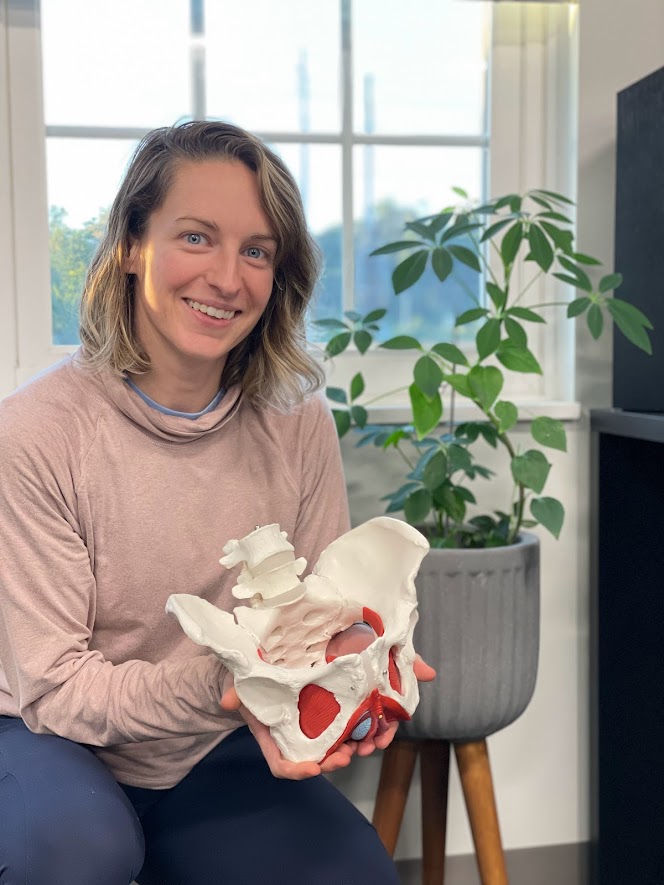
The pubic bone is a common site of pain during pregnancy. This bone is in the front of our pelvis, and you actually have two of them! They come together at the pubic symphysis. Often pain in this area is called Symphysis Pubic Dysfunction, and more so recently the blanket term of “Pelvic Girdle Pain.”


pubic bone pain in pregnancy

The main symptom is significant pain in the pubic bone area, often with these activities:

  • Walking (especially fast or for long distances)

  • Climbing stairs (often worse going up or down)

  • Rolling over in bed

  • Getting in and out of a car, bed, or bath

  • Standing on one leg (e.g., getting dressed)

  • Lunges


Why does this happen during pregnancy?

  • Muscle imbalances: if certain muscles are very tight or weak, ending up out of balance, there are different pulls on the bones of the pelvis. Often we will find the muscles that directly attache to the pubic bone are part of the problem. There are two main ones: the rectus abdominis (the 6 pack muscle in the front of our abs) which has to stretch as the baby grows, and the hip adductor muscles (inner thigh). 

  • Hormonal changes: relaxin is released, which impacts ligament stability. With those ligaments being slightly looser, there is more motion in the pelvis (good for child birth!). This, along with the above mentioned imbalances in muscles, can cause pain.

  • Changes in posture and center of mass: with shifting weight and posture to compensate for the baby, you may end up putting MORE pressure on the pubic bone.


What do I do to improve pubic bone pain during pregnancy?

  • Physical therapy is the gold standard - a full evaluation of the pelvis, the muscles around, and how you move will help us design a program that is right for you.

  • Manual work to decrease tension, exercises to improve strength, and work on posture and positioning can all be helpful.

  • Avoid taking too big of a stride when walking. Smaller, more frequent steps will be more comfortable on the pubic bone.

  • Sometimes, people will find relief by using a SI belt. 


When do I seek help?

If you aren’t able to figure out how to relieve your pain, a PT can absolutely help! Physical therapists are experts in how the human body moves and functions, we can get to the root cause of your pain, and prescribe a specific program for you to work on. Additionally, we can actually work on you - improving muscle tone, joint mobility, and decreasing pain. 


Contact your health care provided right away if the back pain is accompanied by symptoms like:

  • Vaginal bleeding or fluid leakage

  • Fever

  • Burning sensation when urinating

  • Numbness, tingling, or weakness in the legs, buttocks, or genitals

  • Intense, sudden, or cyclical pain (which could indicate contractions)


About the author: Dr. Caitlyn Hauswirth-Varis, PT, DPT, OCS, CFMT, CF-L1


Caitlyn Hauswirth-Varis

Caitlyn is an expert in pelvic floor physical therapy, pregnancy and postpartum, and is board certified in orthopedic physical therapy. She has helped countless soon-to-be moms get out of pain during their pregnancy, and actually feel good throughout the process.


Disclaimer: This blog post is for informational purposes only and does not substitute for professional medical advice. Please consult with a qualified healthcare professional for personalized guidance.

Comments


bottom of page